
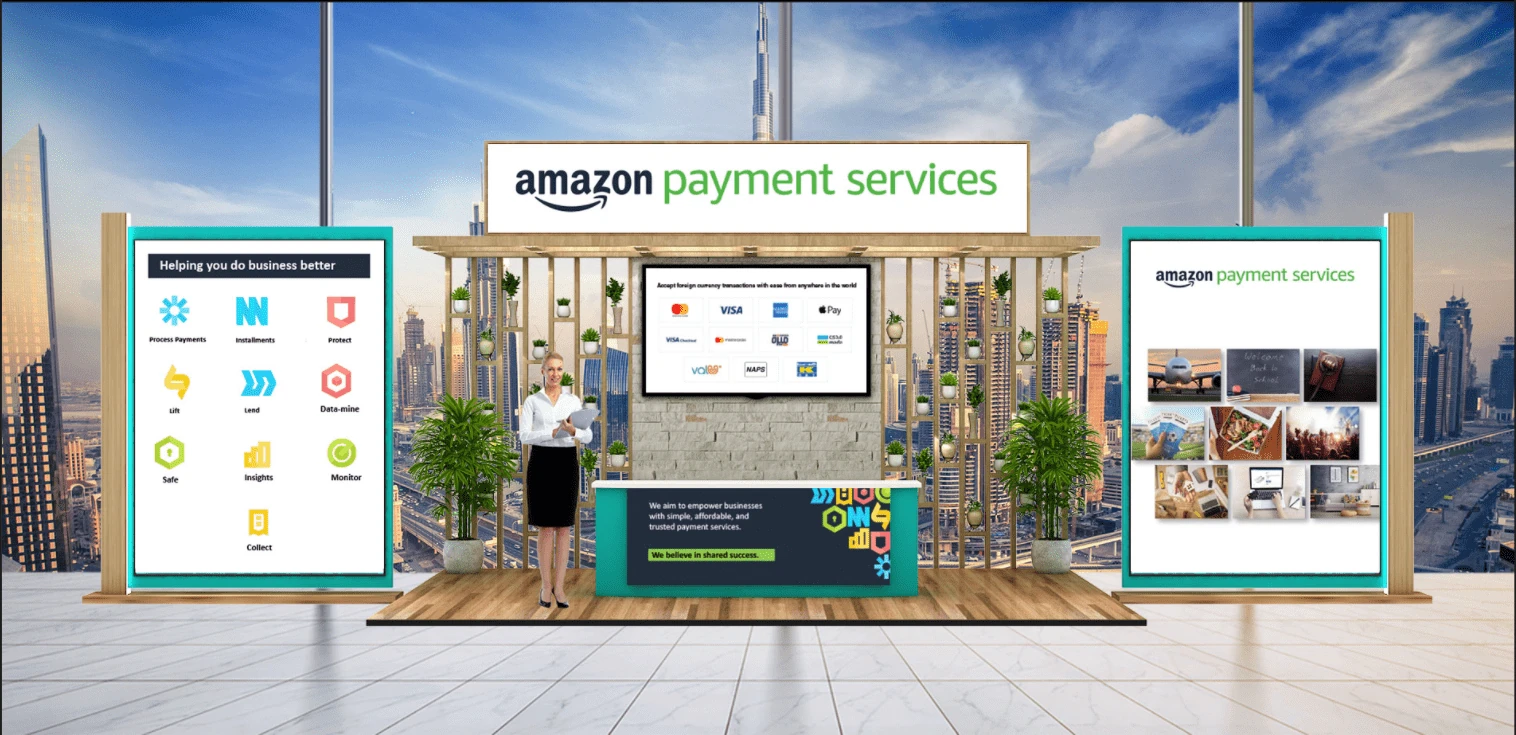
User conferences have a different pattern than trade shows. The audience is the company's own customers, the agenda is structured, and the success metric is product adoption and pipeline rather than booth traffic.
Lexington user conferences usually run at Central Bank Center for general session and trade-show floor, with breakouts in the convention center's smaller rooms or at the downtown hotels.
Operationally, the company owns the run-of-show; the production team owns the floor, the staging, the breakouts, the labs, and the sponsor expo build.
These pages cover what a user conference engagement includes, how the customer journey shapes the floor plan, and where the labs and sponsor expo fit.
User Conference Services priorities
- Align graphics, AV, and utility requests with the same calendar as the booth work.
- Leave room for storage, reuse, and return freight so the next cycle starts cleanly.
- Give the floor one clear lead so live decisions stay controlled during install and strike.
Lexington trade show market
The Lexington market for user conference services runs on a small set of venues and a clear regional drive radius.
For the services, the practical question is which venue and which week.
The strongest programs match the venue to the audience.
Lexington neighborhoods and event districts
The convention core is downtown: Central Bank Center anchors the floor, with the host-hotel ring carrying breakouts and overflow.
Outside downtown, three districts matter: Newtown Pike north (Griffin Gate resort), south Lexington (Campbell House, Embassy Suites Lexington Green), and the Bluegrass drive ring (Versailles, Georgetown, Richmond, Frankfort, Nicholasville, Winchester).
Lexington labor and venue services
There is no single Lexington labor regime.
On any the services program, the labor question gets answered against the venue's posted rules for that show. House versus outside crew splits change between buildings.
Lexington convention venues and meeting properties
The downtown host-hotel ring (Hyatt Regency Lexington at 401 W High, Hilton Lexington/Downtown at 369 W Vine, Lexington Marriott City Center at 121 W Vine) supports breakouts, sponsor rooms, and overflow.
Griffin Gate at 1800 Newtown Pike runs as Marriott's resort with meeting venues, a golf course, and a spa, which fits retreats and hospitality-heavy programs.
What's included in the project scope
Scope for the services starts from the program's specific inputs: show, venue, audience, calendar. Each one shifts what the engagement covers.
User conference scope covers general session staging and AV, breakout and lab setup, sponsor expo floor, registration and badging, hospitality and reception build-out, and run-of-show coordination across the multi-day program.
Multi-show programs add a maintenance layer: asset storage, scheduled refurb, graphic swaps, and the planned freight loop.
Scope discipline upstream beats heroics on install day.
The process from start to finish
The services begins with five answers. Show, venue, audience, dates, budget. Those five frame the engagement.
Coordination handles venue paperwork.
Show hours and strike continue under the same lead.
Budget and timeline
Budget for the services scales with how the booth is built, how big it is, what the venue charges for its services, what the graphics look like, how far the crates travel, and how many supervision days the program runs.
The line items on a typical the services budget: structure, graphics, AV, show services, labor, freight, supervision.
What a successful project looks like
Successful the services executes against five tests: on-time install, first-walk inspection, quiet show hours, clean strike, documented closeout.
Real outcomes on the services sit in lead capture and pipeline data. The build and install protect those numbers; sloppy execution erodes them.
Within a week post-show, the booth's actual performance reads more clearly than any pre-show forecast. The debrief captures both technical and behavioral observations.
The advantage of a local Lexington team
For the services, working with a Lexington-based shop matters most when something goes wrong on install day.
Local presence also means the venue relationships are real.
Across a multi-show calendar, the compounding effect of one team running the services is fewer surprises and shorter install times.
User Conference Services planning questions
Do you work at Hilton Lexington/Downtown?
Yes.
How does labor work in Lexington?
It runs venue by venue.
How much lead time is ideal?
Custom builds run best with 16 to 20 weeks of lead time. Rentals take 8 to 12 weeks.
What information kicks off a project?
The show, the venue, the booth number, the dates, and a target budget range. From those, an initial scope and a realistic cost come back within a few days.
Who runs the booth on-site?
One named show-site lead runs the install, the show hours, and the strike. That person carries the floor plan and the punch list from crates to doors and reports up once a day.
Can the booth travel to the next city on our calendar?
Same structure, swappable graphics, standard crates.
What happens if something breaks during show hours?
The on-site lead handles it.