
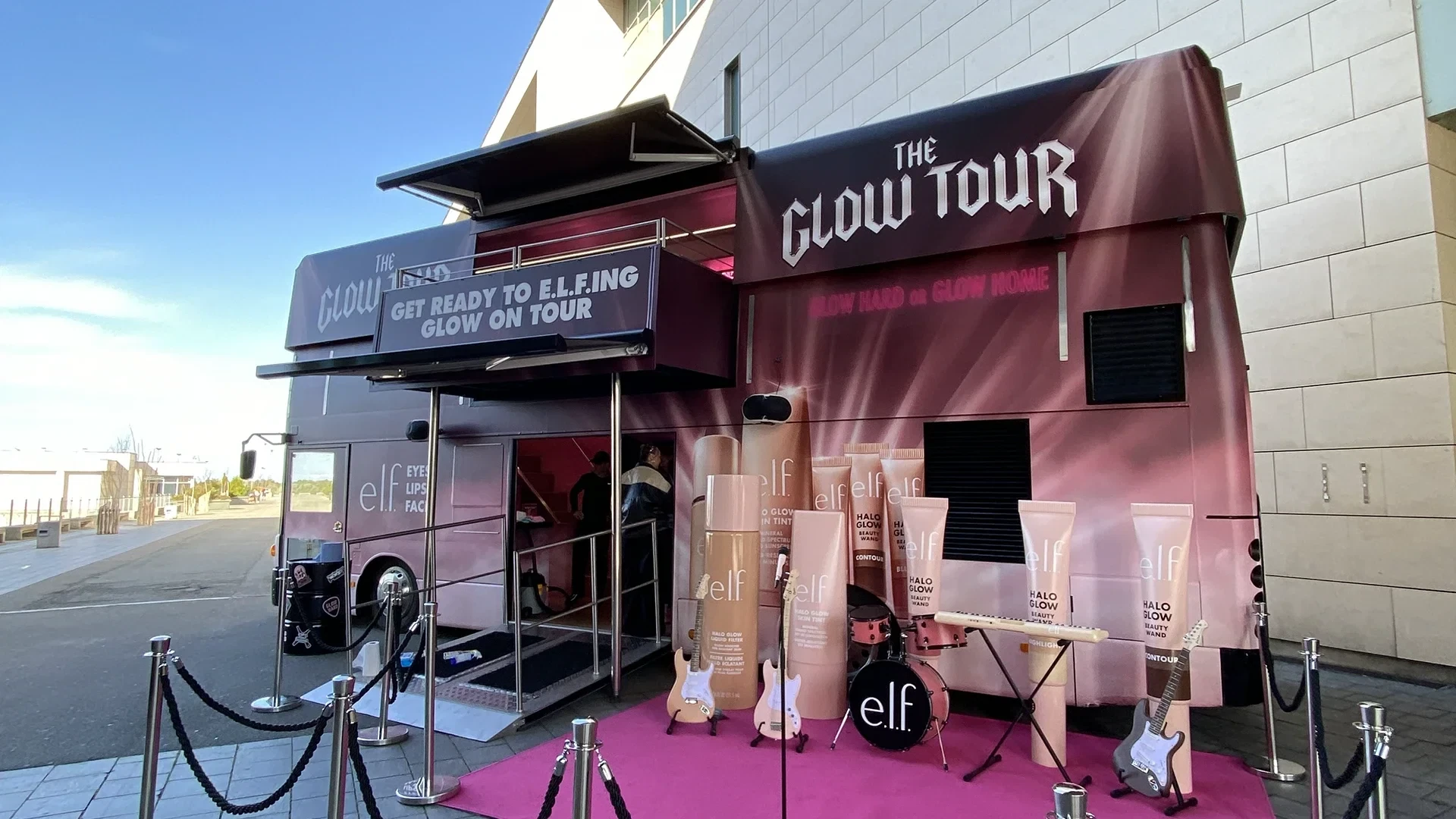
A product launch is one focused event. The reveal moment, the press path, the demo experience, and the post-reveal coverage are all aimed at a single product story.
Lexington launches usually run at Central Bank Center for scale, at a downtown hotel ballroom for a controlled reveal, or at a brand-relevant Bluegrass venue when the product story leans into the local identity.
Operationally, launch events demand tight content control, embargo discipline before the reveal, and a demo path that scales without breaking down on day two.
These pages cover what product launch work includes, how the reveal moment integrates with press logistics, and where the demo environment lands relative to the main stage.
Product Launch Services priorities
- Align graphics, AV, and utility requests with the same calendar as the booth work.
- Leave room for storage, reuse, and return freight so the next cycle starts cleanly.
- Give the floor one clear lead so live decisions stay controlled during install and strike.
What drives the Lexington calendar
On peak weeks, dock and labor capacity tightens for product launch services.
Calendar selection is its own line item for the services.
Where Lexington shows cluster
Most Lexington shows cluster downtown around Central Bank Center, the host-hotel ring along Vine, High, and Main, and the walkable restaurant and hospitality blocks around Rupp Arena.
For the services, the secondary clusters are the Newtown Pike resort corridor anchored on Griffin Gate, the south Lexington belt around The Campbell House and Embassy Suites Lexington Green, and the regional Bluegrass corridor (Versailles, Georgetown, Richmond, Frankfort, Nicholasville, Winchester) that extends the drive market.
How Lexington floor operations work
Floor operations for the services follow the venue's posted rules.
Late orders cost more and may miss the install window.
Labor calls coordinate with each venue's house team.
The buildings that host Lexington events
The downtown host-hotel ring (Hyatt Regency Lexington at 401 W High, Hilton Lexington/Downtown at 369 W Vine, Lexington Marriott City Center at 121 W Vine) supports breakouts and overflow for the services when the convention floor is the primary venue.
South Lexington carries The Campbell House at 1375 S Broadway with more than 25,000 square feet of meeting space and Embassy Suites Lexington Green at 245 Lexington Green Cir as the suite-hotel option.
What's included in the project scope
Scope on a the services engagement is downstream of the brief. The show, venue, audience, and date determine the line items.
Launch scope covers reveal stage build and AV, content delivery and embargo handling, press logistics and media room setup, hands-on demo environment, and the run-of-show coordination that holds the launch arc together from rehearsal through post-event coverage.
Out of scope by default: show organizer fees, client travel and per diems, internal lead-capture and CRM tools, and vendor relationships the client manages directly.
On programs that repeat, asset management folds into the scope. Storage, refurb cycles, graphic rotation, and freight loop planning all join the engagement.
The biggest savings come from scope clarity at kickoff. Install-day surprises almost always trace back to scope gaps, not labor mistakes.
How a project runs
Phase one for the services is a real conversation about the show, the building, the booth, the calendar, and the budget shape.
After the brief, focus moves to the venue. Manual, dock, labor, rigging, utility orders all close out before drawings hit the shop.
With venue side closed, production turns on. The shop builds, the print runs, the AV gear pre-progs, the install plan drafts.
The install runs under one named lead. No rotating crew, no remote account manager: one person on the floor with full context.
Through show hours the lead stays. Anything that comes up at the booth (tech, sponsor, venue) handles without the client team leaving visitors.
Strike honors the venue's posted move-out, then a same-day debrief documents what held and what changes for the next show.
Pricing and scheduling
Pricing for the services scales with the venue's published rates, the booth's footprint, the freight pattern, and the labor calls. There's no single number that fits every program.
Rentals run 8 to 12.
How project performance gets measured
Two measurement layers run on every the services program.
Demo, meeting, and graphic-zone observations carry forward into how the next the services program gets designed.
What makes our work different
Trade Show Services of Lexington runs the services as a local team.
The compounding effect across a year is real. The services that runs the second time is faster than the first; the third runs on memory and documentation rather than first-principles planning.
Product Launch Services planning questions
Do you work at the Campbell House Lexington?
Yes.
How does labor work in Lexington?
It runs venue by venue.
How much lead time is ideal?
Custom builds run best with 16 to 20 weeks of lead time. Rentals take 8 to 12 weeks.
What information kicks off a project?
The show, the venue, the booth number, the dates, and a target budget range. From those, an initial scope and a realistic cost come back within a few days.
Who runs the booth on-site?
One named show-site lead runs the install, the show hours, and the strike. That person carries the floor plan and the punch list from crates to doors and reports up once a day.
Can the booth travel to the next city on our calendar?
Same structure, swappable graphics, standard crates.
What happens if something breaks during show hours?
The on-site lead handles it.